
Draft Blueprint for Fantasy Basketball: Roles, Value, and Balance
Quick overview
Winning starts before the first pick. A good roster is built around stable minutes, clear roles, and category coverage. This guide turns the fantasy basketball draft into a repeatable process that avoids hype and rewards consistency.
Featured image
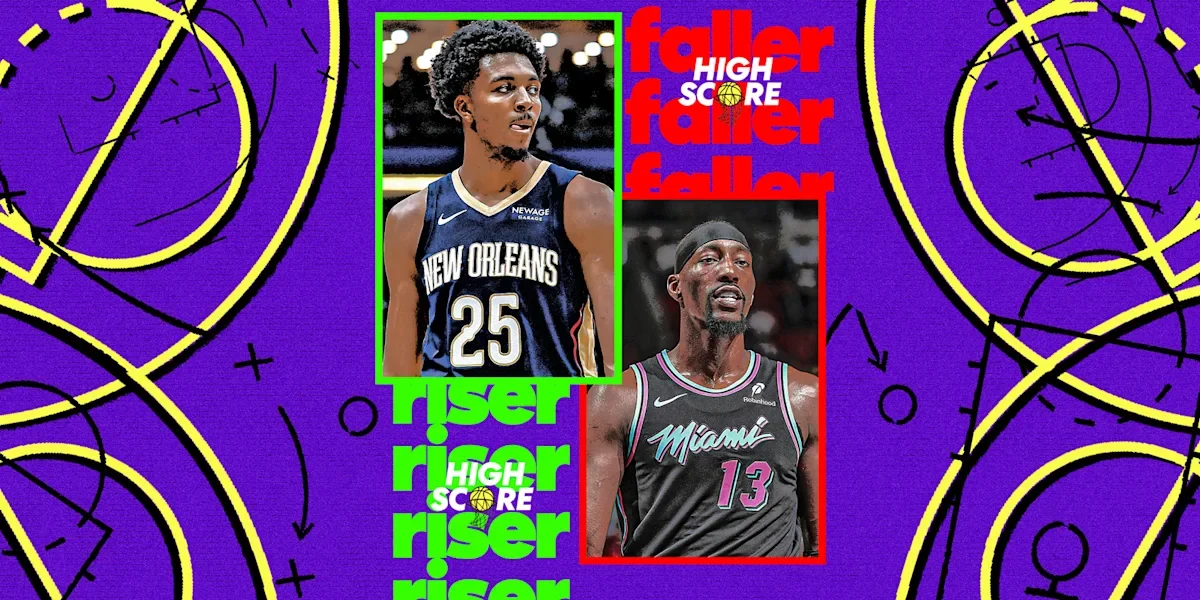
Draft for roles, not highlights
Why roles win long seasons
Star names are tempting, but roles decide weekly output. Prioritize players with predictable minutes, steady usage, and a coaching trust level that survives cold shooting nights. This is the cleanest way to reduce volatility during a fantasy basketball draft.
Reliable role signals
- Minutes floor: consistent rotation, not “maybe” minutes.
- Stable responsibilities: ball handling, rim protection, or spacing.
- Team context: fewer role conflicts on the depth chart.
Value signals you can trust
What matters more than one big game
When you evaluate players, focus on repeatable indicators: minutes, shots, and involvement. If you draft based on highlights, you pay peak price. If you draft using value-based drafting, you buy the role and let production follow.
Simple evaluation steps
- Check recent minutes and rotation stability.
- Confirm role: creator, finisher, defender, rebounder.
- Compare role to roster needs before selecting.
- Skip duplicate profiles that stack the same weakness.
Balance categories the simple way
Build a category balance plan
You don’t need to “win everything.” You need fewer weak spots than your opponents. The goal is a fantasy basketball roster that can compete in multiple stat areas without collapsing when one player has a bad week.
Balanced build tips
- Pair a volume scorer with an efficient secondary scorer.
- Add at least one steady assists source early.
- Protect yourself with steals or blocks to swing matchups.
- Don’t ignore turnovers if your format counts them.
Draft-day checklist
A draft day checklist you can reuse
When the clock is running, decisions get emotional. Use this list to stay calm, avoid panic picks, and keep your structure intact.
- Confirm your next 2–3 targets by role, not by name.
- Check your weakest category and patch it intentionally.
- Do not chase a single stat if it creates two new holes.
- Save one flexible slot for late-round sleepers.
- Leave the draft with at least one streaming-ready bench spot.
Player archetypes table
Use archetypes to prevent roster duplication
| Archetype | Main strength | Common risk | Best pairing |
|---|---|---|---|
| High-usage scorer | Points volume | Efficiency swings | Efficient secondary scorer |
| Playmaking guard | Assists + tempo | Turnovers | 3-and-D wing |
| Rim protector | Blocks | Foul trouble | Rebound specialist |
| Glue wing | Steals + threes | Low usage | High-usage scorer |
Related reads
Continue learning
- Waiver Wire Strategy: Streaming Wins in Weekly Matchups
- Sponsor Boosts and Risk Control: Responsible Play for 18+ Fantasy Fans
Author’s opinion
My view
I believe the best drafters are not the loudest—they are the most consistent. If you draft for roles, balance your build, and keep one flexible slot, you’ll win more weeks than the “all hype” managers.